For Civic Leaders

Be the kind of leader who invests in real impact for education.

Students listening to civic leaders in the BARR program

Drive Change in Education

The BARR Model helps the same teachers get better outcomes for the same kids, from kindergarten through graduation.

Every state in the nation wants to see their schools improving student outcomes, supporting educators, and strengthening educational systems. And they want to be confident they’re investing in solutions that are effective, scalable, and fiscally responsible. States that partner with BARR have that confidence because our model is a proven approach to learning, backed by stringent research.

The BARR Model unites relationship-reinforcing tactics with actionable data to give schools clearer visibility into student needs, leading to stronger academic performance and more consistent support across communities. Our model doesn’t change who is teaching or what’s being taught. It works within existing structures, enabling leaders to see meaningful gains without requiring interruptive changes.

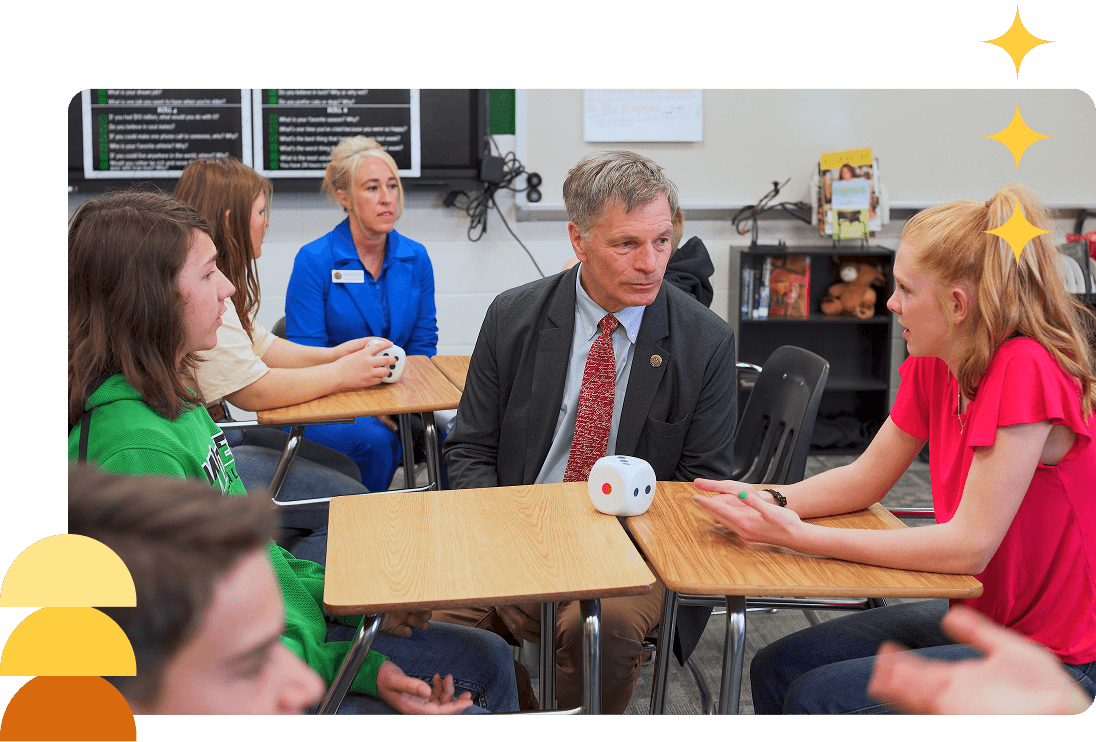
Students listening to civic leaders in the BARR program

Our proven impact

lower chronic absenteeism* in BARR schools
0 %
average reduction in failure rate
0 %
students have benefited from BARR
0 K

BARR improves standardized test scores in English and Math

BARR has more than 20 years of research demonstrating statistically significant improvements in 21 areas of academic performance, alongside well-being improvements for both students and teachers.

National Reach

More than 500,000 students have benefited from the BARR Model across the country.

BARR has been proven to show positive impacts on nearly 500 schools by transforming the student and educator experience to one that is less siloed, more supportive, and empowers educators to see their students as whole people. The positive impact of the model can be seen in elementary, middle, and high schools in small towns and big cities all across the country.

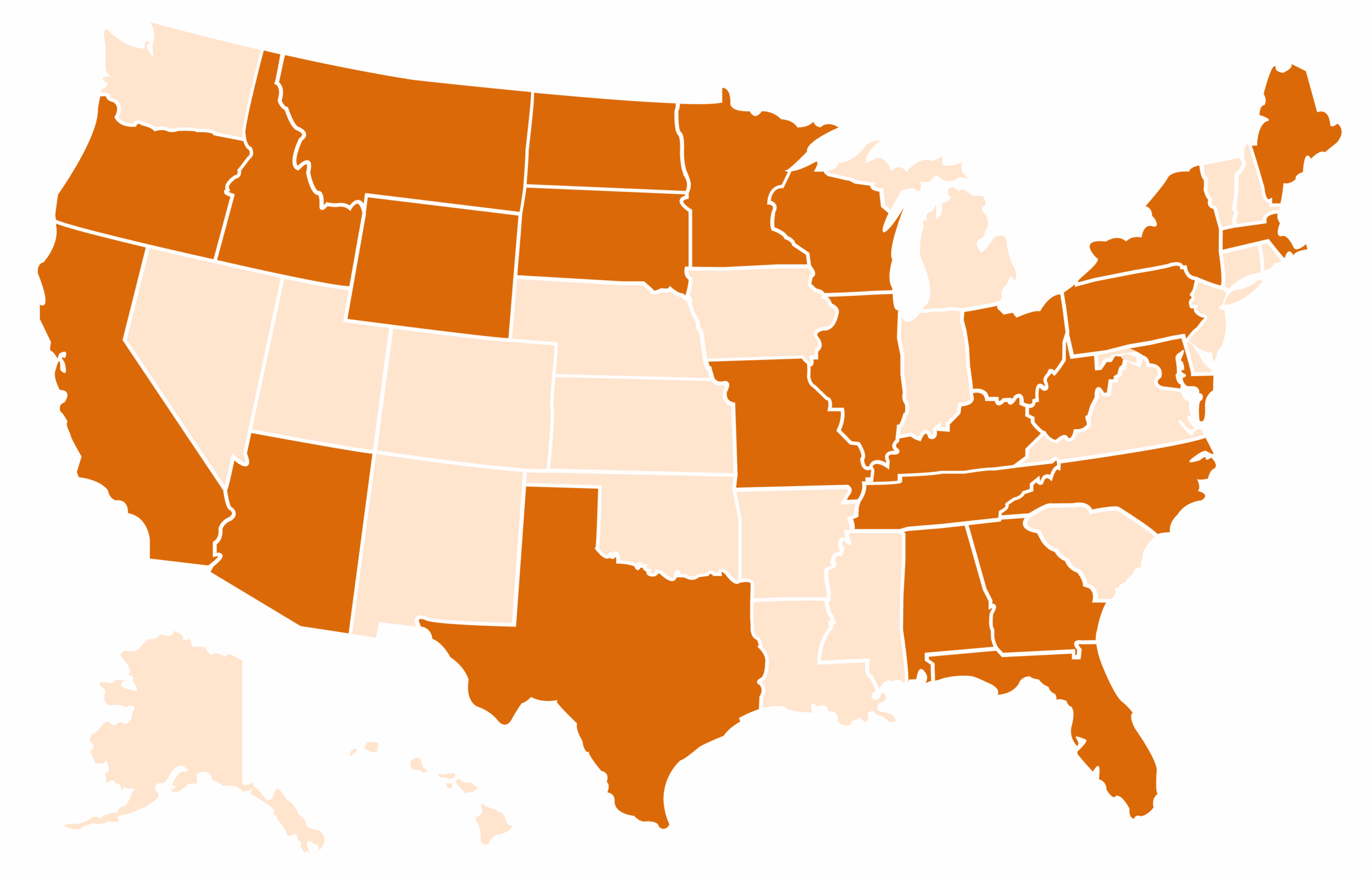
Map of the United States showcasing where BARR Center operates
  • Alabama
  • Arizona
  • California
  • District of Columbia
  • Florida
  • Georgia
  • Idaho
  • Illinois
  • Kentucky
  • Maine
  • Maryland
  • Massachusetts
  • Minnesota
  • Missouri
  • Montana
  • New York
  • North Carolina
  • North Dakota
  • Ohio
  • Oregon
  • Pennsylvania
  • South Dakota
  • Tennessee
  • Texas
  • West Virginia
  • Wisconsin
  • Wyoming

Expert partnership

Our dedicated team sets BARR schools up for success from day one.

Training and coaching

Our experienced BARR coaches and trainers are hands-on with staff in person for six days a year and connect virtually every week. We believe when educators are given a community of support and the agency to take responsibility for the classroom in a new way, amazing things happen.

New approach

Our team works with each school to layer the new system of collaboration into the existing structure so they can quickly start seeing successes. By fostering resilience in the school and in the staff, the students start to build resilience that shows up in their test scores and their excitement to come to school.

Supportive national network

When schools join BARR, they become part of a community of schools across the country committed to changing the way education works. BARR educators have access to online resources and a dedicated coach available 24/7.

Join us at the BARR National Conference!

We invite you to experience firsthand what’s possible when we take a different approach to the way schools work. Join passionate BARR advocates, educators, and leaders who are shaping the future of education. 

About BARR Center

Educator-created. Educator-led. Passion-fueled.

Our expert staff are dedicated to the success of BARR schools nationwide, including onsite coaching visits and reports, weekly calls, and supporting educators and staff throughout their three-year implementation.

Teachers and faculty in the BARR program sitting around a table laughing and talking

*In BARR’s i3 Scale-Up study, BARR significantly reduced chronic absenteeism. The rate of chronic absenteeism among ninth graders in the treatment group was 19 percent, compared to 22 percent in “business as usual” schools.