Why Evidence Matters
Yes, those who work or attend a BARR school can feel the difference. But we know that it takes more than vibes to demonstrate proven results that are repeatable and attributed to our model itself.
Our model is unique in that proof, not theory or ideology, serves as our strong foundation. We have always been committed to transparency, rigor, and evidence when it comes to what’s possible when schools partner with BARR. That’s why we insisted on randomized controlled trials across 78 schools that offer us a clear picture of what works.
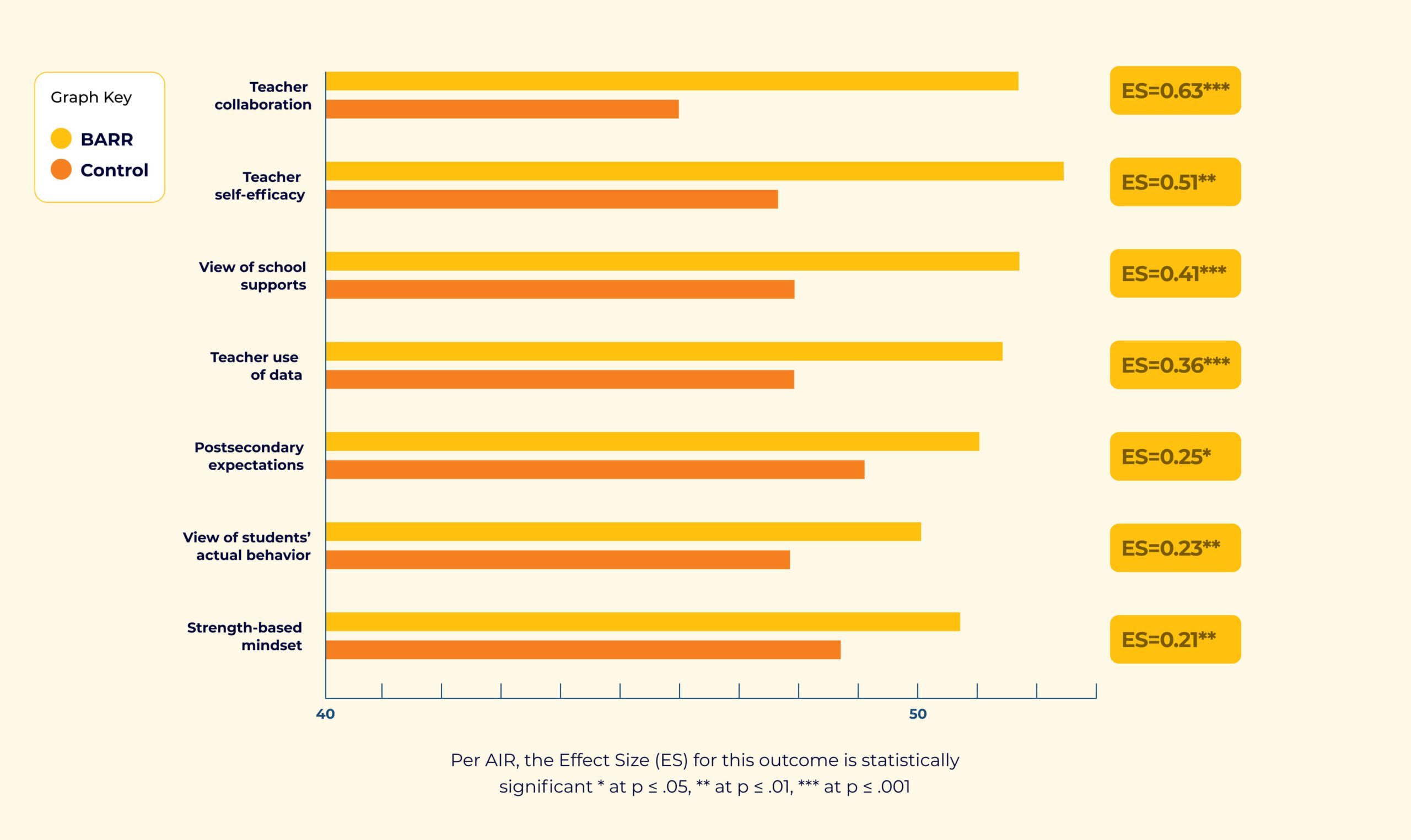
BARR schools recognize significant impact for both students and staff.
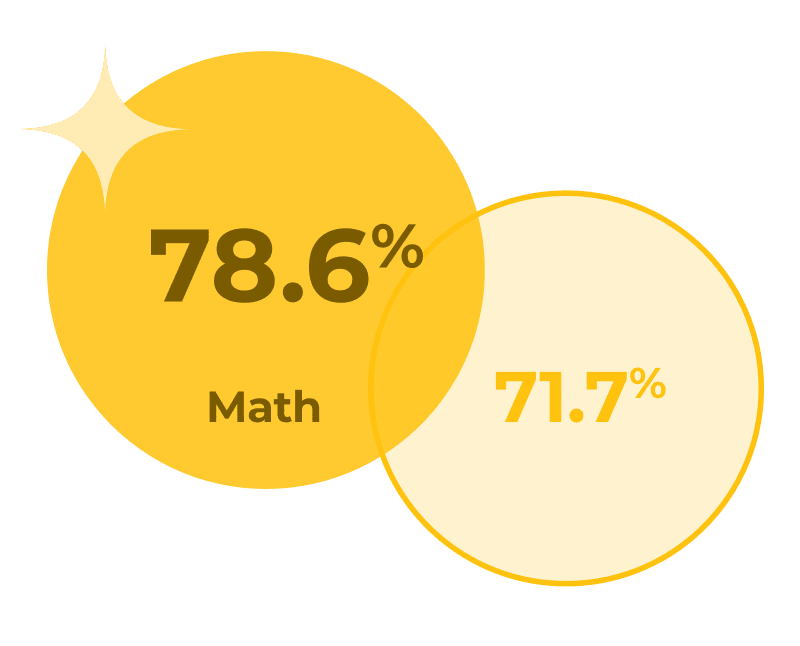
78.6% of BARR students met projected math growth compared to 71.7% of non-BARR students.
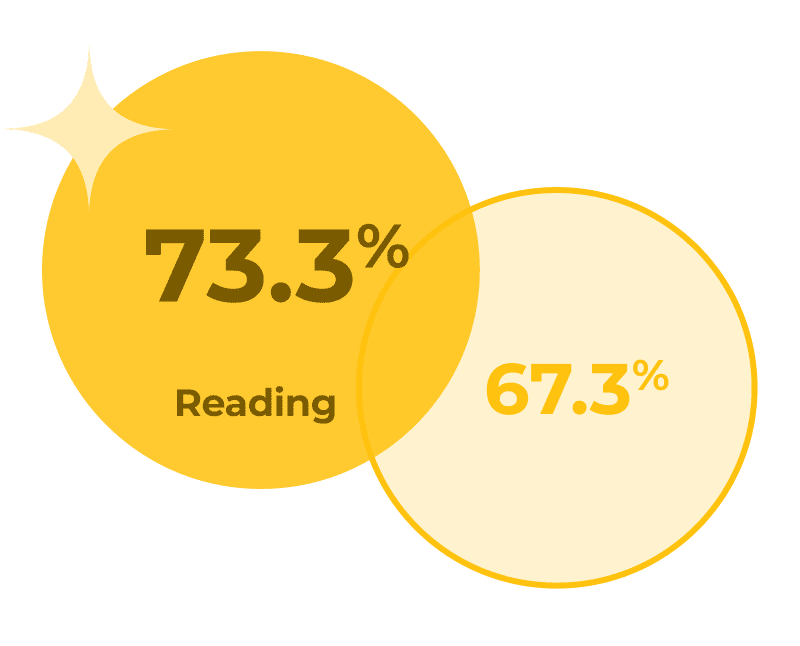
73.3% of BARR students met projected reading growth compared to 67.3 percent of non-BARR students.
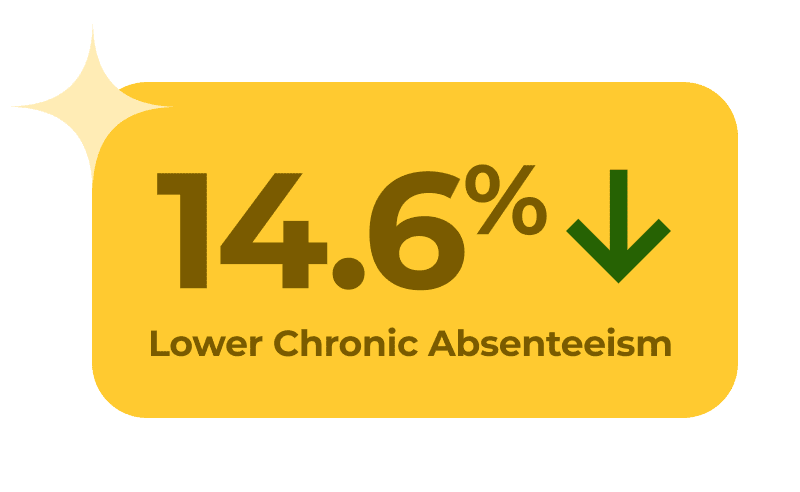
14.6% lower chronic absenteeism on average, with some BARR schools reducing chronic absenteeism up to 50%.
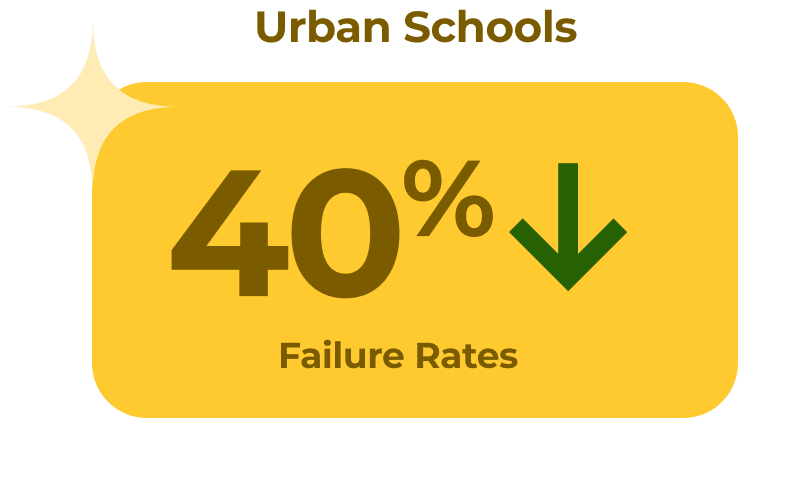
40% average reduction in failure rate after one year of BARR at large urban schools.
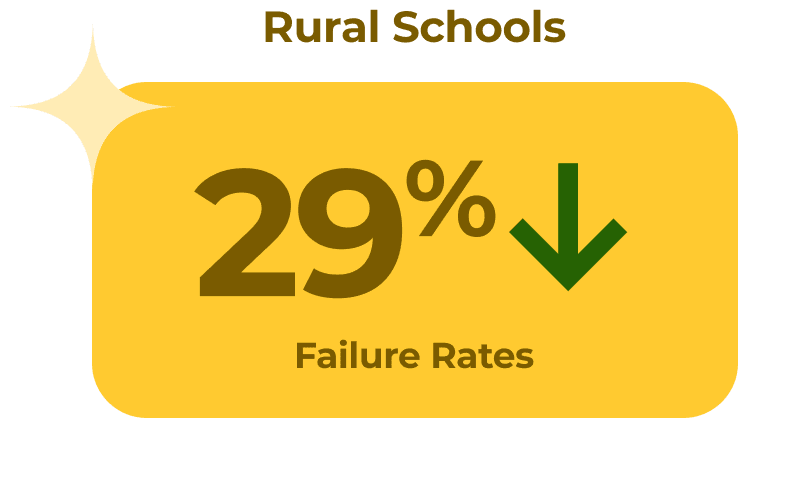
29% average reduction in failure rate after one year of BARR at smaller rural schools.
They feel empowered to make a bigger impact with their students and within their schools, and they stay. This helps schools maintain a consistent staff of educators, as BARR schools report higher teacher retention than their conventional counterparts.
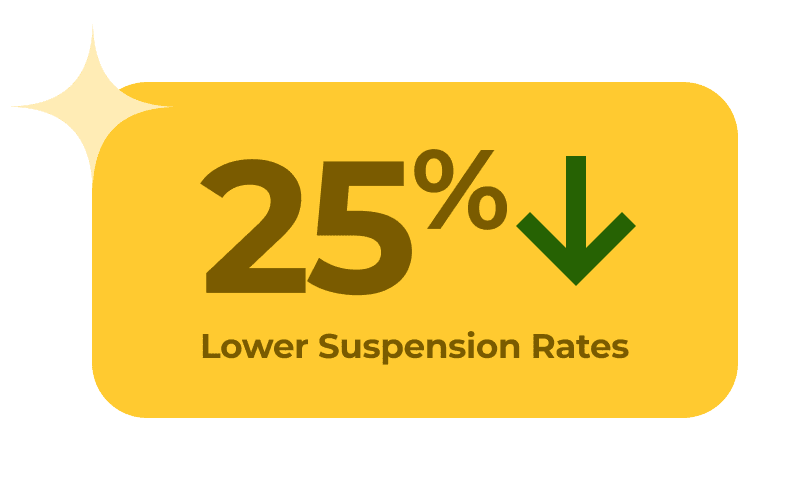
25% lower suspension rates compared to non-BARR peers.
Schools that have implemented the BARR Model have also seen:
Students are less likely to engage in risky behaviors.
Students are more likely to challenge themselves.
BARR is the first and only school-improvement intervention to successfully meet all three tiers of evidence required by the U.S. Department of Education’s i3 program.
BARR has met the Evidence for ESSA “strong evidence” requirements four times for its reading and math impacts.
BARR received the 2014 ACT College and Career Transition Award.
The U.S. Department of Education’s What Works Clearinghouse found that BARR’s research “met evidence standards without reservation” in three separate studies—the highest WWC rating.
BARR is included in SAMHSA’s National Registry of Evidence-based Programs and Practices (NREPP).
Every fall is an exciting time at BARR Center as we welcome new schools to the BARR family. We are thrilled to have served nearly 500 schools across 25 states and D.C.
As student success continues to be front and center of minds, district teams are focusing this summer on strategic plans to ensure each and every student graduates.
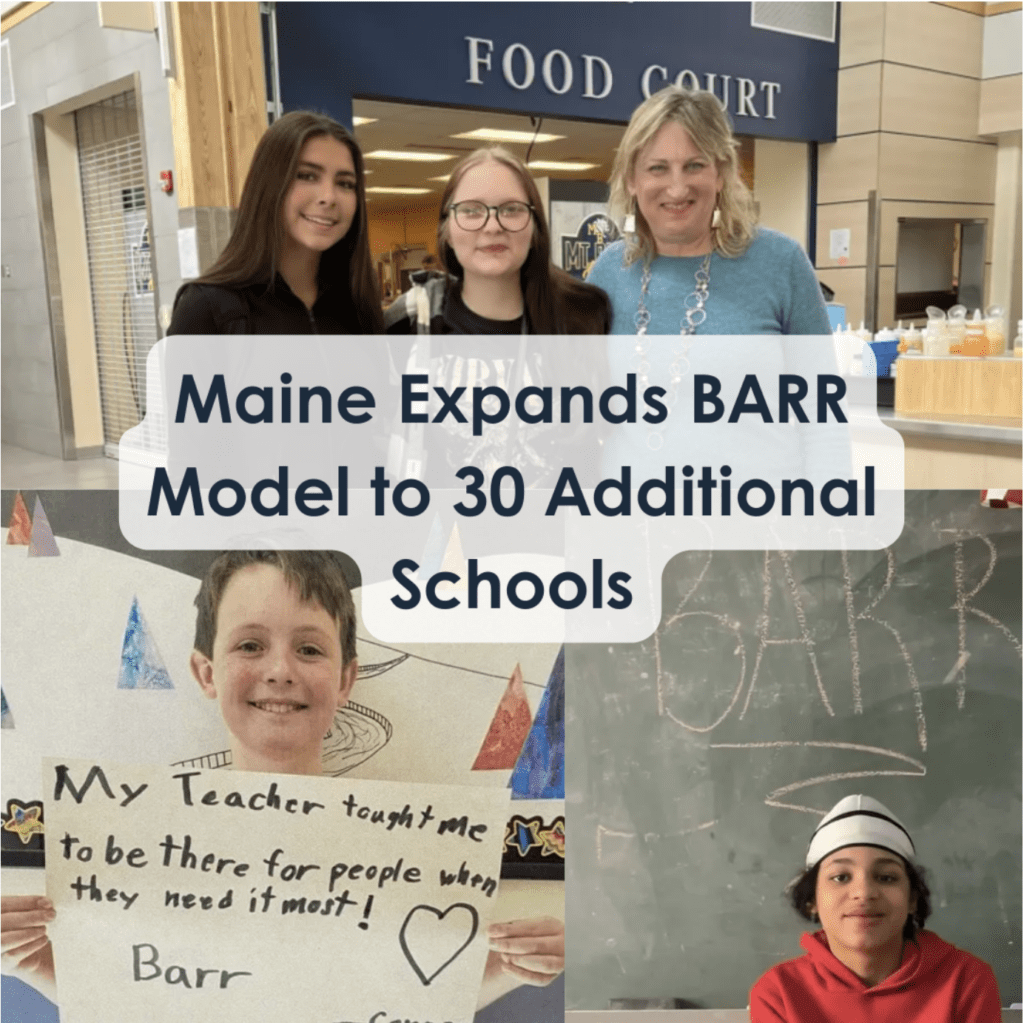
The Maine Department of Education (DOE) announced grants for 30 additional Maine schools to implement the Building Assets Reducing Risks (BARR) model to increase academic achievement, engagement, and student and staff well-being.
Curious about the methods and where the stats came from? We’re happy to share the various studies and research papers that showcase the results of the BARR Model.